
Propel your organization into the future with IoT and AI.

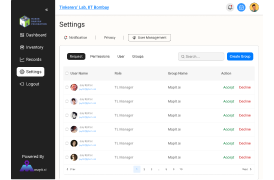
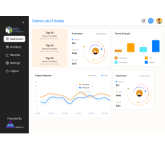


MapIT.ai is building Makerspace Management Solution for effective management and utilization of makerspaces across 11 colleges in India including 3 institutes of emminence.
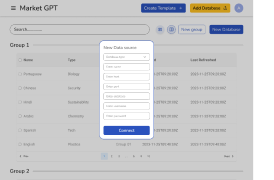
MapIT.ai is building AI Powered Data Analysis solution which integrates your marketing data (google marketing platform, facebook ads, linkedin ads) and sales data (online and offline) to provide insights into the effectiveness of your ad campaigns and marketing ROI.





In some models, a frozen drain leads to ice buildup that blocks airflow to the refrigerator, causing it to warm up while the freezer remains cold. Common Causes of Blockages
Puddles appearing in front of the refrigerator once or twice a day often indicate a defrost drain leak.
Fixing the drain is not a "fix it and forget it" situation.
Preventing future clogs is easier than dealing with them. Every few months, flush the drain hole with warm water to clear potential buildup. Keep the freezer organized and avoid overfilling, which can push food particles toward the drain. Clean up spills immediately, especially sticky substances like juice or jam that can harden and block the hole. During routine refrigerator cleaning, check the drain pan under the fridge for standing water or mold, which can indicate a slow drain. Finally, monitor the freezer temperature; it should be between 0 and 5°F (-18 to -15°C). A temperature that is too cold encourages ice formation, while a temperature too warm strains the compressor.
A clogged freezer drain is one of those household issues that seems minor at first—perhaps just a small puddle of water at the bottom of the fridge—but it can quickly escalate into a frustrating and messy problem. Understanding why freezer drains clog, how to fix the issue, and how to prevent it from recurring can save you time, money, and the hassle of spoiled food or water damage.
While the fix is manageable, the clogged freezer drain is one of the most annoying household maintenance issues because it is silent and destructive. It ruins flooring and wastes food if the door seal freezes shut.
If you see ice pooling at the bottom of your freezer, do not ignore it. Buy a specialized fridge drain snake online immediately. Do not rely solely on hot water; you need to mechanically clear the blockage. If the problem returns within a few months, look into purchasing the manufacturer's "Drain Tube Heater" kit to solve the issue permanently.
Clearing a clogged freezer drain is a straightforward DIY task, though it requires patience and the right tools. Start by unplugging the refrigerator and emptying the freezer. Remove any visible ice or standing water with towels. Locate the drain hole—usually a small opening at the bottom center or back of the freezer compartment. Using a turkey baster or syringe, flush warm (not boiling) water through the hole. If water flows freely, you have cleared the blockage. For stubborn clogs, insert a pipe cleaner, flexible brush, or a piece of stiff wire (like an unbent paper clip) to gently dislodge debris. Another effective method is to blow compressed air through the tube or to use a wet/dry vacuum on the drain opening from inside the freezer and at the back of the unit. Once cleared, pour a mixture of warm water and mild dish soap or a few tablespoons of baking soda dissolved in water down the drain to remove any remaining residue.
Modern refrigerators with automatic defrost cycles rely on a simple but essential drainage system. During defrosting, ice that forms on the evaporator coils melts, and the resulting water should flow down a drain tube located at the back of the freezer compartment. This tube leads to a drip pan under the refrigerator, where the water evaporates naturally. When the drain becomes clogged, however, water cannot escape. Instead, it pools at the bottom of the freezer, refreezes into a stubborn layer of ice, and eventually overflows into the fresh food section or onto the kitchen floor. Left unaddressed, the excess ice can block airflow, causing the refrigerator to work harder and potentially leading to compressor failure.
Stagnant water trapped in the drain line can develop musty smells or allow mold to grow.


Build Software to automate business processes. Get more out of your team with limited resources.
Read Details
Manage and monitor your facilities with state of the art IoT solutions and get more out of your facilties.
Read Details

Build bespoke application on web and mobile to power your business.
Read DetailsIn some models, a frozen drain leads to ice buildup that blocks airflow to the refrigerator, causing it to warm up while the freezer remains cold. Common Causes of Blockages
Puddles appearing in front of the refrigerator once or twice a day often indicate a defrost drain leak.
Fixing the drain is not a "fix it and forget it" situation. clogged freezer drain
Preventing future clogs is easier than dealing with them. Every few months, flush the drain hole with warm water to clear potential buildup. Keep the freezer organized and avoid overfilling, which can push food particles toward the drain. Clean up spills immediately, especially sticky substances like juice or jam that can harden and block the hole. During routine refrigerator cleaning, check the drain pan under the fridge for standing water or mold, which can indicate a slow drain. Finally, monitor the freezer temperature; it should be between 0 and 5°F (-18 to -15°C). A temperature that is too cold encourages ice formation, while a temperature too warm strains the compressor.
A clogged freezer drain is one of those household issues that seems minor at first—perhaps just a small puddle of water at the bottom of the fridge—but it can quickly escalate into a frustrating and messy problem. Understanding why freezer drains clog, how to fix the issue, and how to prevent it from recurring can save you time, money, and the hassle of spoiled food or water damage. In some models, a frozen drain leads to
While the fix is manageable, the clogged freezer drain is one of the most annoying household maintenance issues because it is silent and destructive. It ruins flooring and wastes food if the door seal freezes shut.
If you see ice pooling at the bottom of your freezer, do not ignore it. Buy a specialized fridge drain snake online immediately. Do not rely solely on hot water; you need to mechanically clear the blockage. If the problem returns within a few months, look into purchasing the manufacturer's "Drain Tube Heater" kit to solve the issue permanently. Preventing future clogs is easier than dealing with them
Clearing a clogged freezer drain is a straightforward DIY task, though it requires patience and the right tools. Start by unplugging the refrigerator and emptying the freezer. Remove any visible ice or standing water with towels. Locate the drain hole—usually a small opening at the bottom center or back of the freezer compartment. Using a turkey baster or syringe, flush warm (not boiling) water through the hole. If water flows freely, you have cleared the blockage. For stubborn clogs, insert a pipe cleaner, flexible brush, or a piece of stiff wire (like an unbent paper clip) to gently dislodge debris. Another effective method is to blow compressed air through the tube or to use a wet/dry vacuum on the drain opening from inside the freezer and at the back of the unit. Once cleared, pour a mixture of warm water and mild dish soap or a few tablespoons of baking soda dissolved in water down the drain to remove any remaining residue.
Modern refrigerators with automatic defrost cycles rely on a simple but essential drainage system. During defrosting, ice that forms on the evaporator coils melts, and the resulting water should flow down a drain tube located at the back of the freezer compartment. This tube leads to a drip pan under the refrigerator, where the water evaporates naturally. When the drain becomes clogged, however, water cannot escape. Instead, it pools at the bottom of the freezer, refreezes into a stubborn layer of ice, and eventually overflows into the fresh food section or onto the kitchen floor. Left unaddressed, the excess ice can block airflow, causing the refrigerator to work harder and potentially leading to compressor failure.
Stagnant water trapped in the drain line can develop musty smells or allow mold to grow.


Diverse skills unified to create innovative solutions.
We’re happy to answer any questions you may have and help you determine which of our services best fit your needs.
You drop us a message. Or give us a call.
We schedule a meeting to understand your needs
We propose to you solutions that could advance your business to the next step