Pure Darwin Patched Jun 2026
This is the amoral genius of the system. Pure Darwin does not care if a trait is efficient, kind, or beautiful. It only cares if it copies itself into the next generation. Cancer is "fit" until the host dies. A parasite is "fit" until it collapses the ecosystem.
Critics of his time often conflated Darwinism with Lamarckism (the idea that acquired traits, like a giraffe stretching its neck, are passed on). However, the "Pure Darwin" mechanism clarifies that the environment doesn't instruct the genes; it simply changes the conditions of survival, allowing natural selection to do the work. The Legacy of the "Pure" Theory
Within any population, individuals are not identical. They vary in size, color, speed, and temperament. These variations are random; they are not "needed" or "asked for." They simply happen. When these variations are heritable—passed from parent to offspring—they become the currency of evolution.
Pure Darwin is not a theory of progress. It is a theory of pressure.
Imagine a river. It does not care if you are a saint or a sinner. If you cannot swim, you drown. That is not a punishment; it is a physical law.
While Pure Darwinism has been widely accepted, it has also faced criticisms and challenges:
When we hear the name "Darwin," most of us picture the elderly, bearded naturalist on HMS Beagle , gently scribbling notes about finches and tortoises. We think of "evolution" as a slow, almost poetic process of adaptation—a gradual blossoming of life from simple to complex. But this comfortable image is a soft filter over a hard truth.
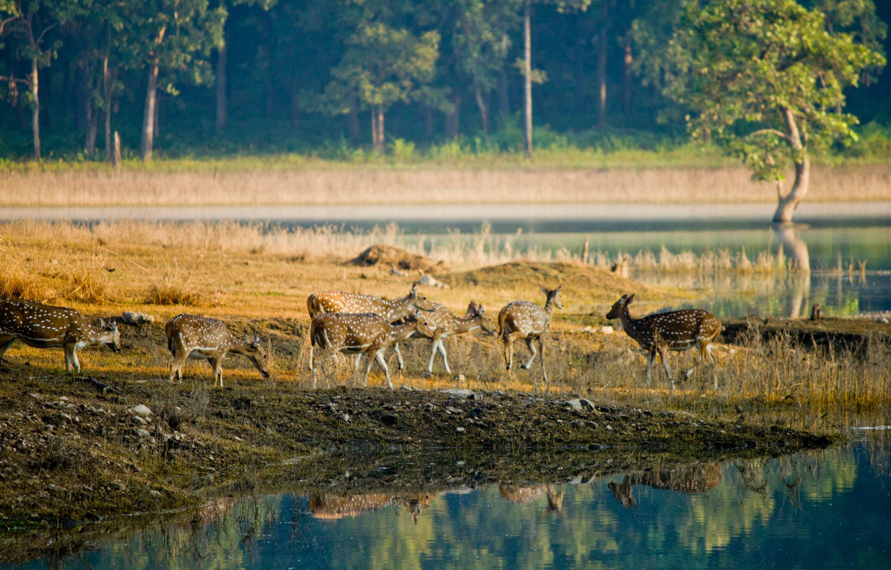
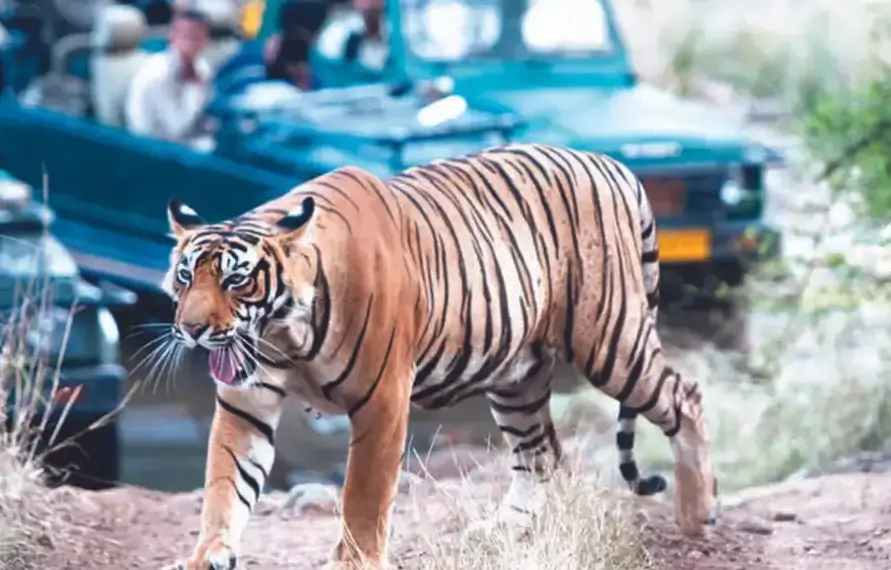
Enter the "Struggle for Existence." Darwin borrowed this concept from the economist Thomas Malthus. Resources—food, mates, territory—are finite. Organisms produce more offspring than the environment can support. The result is an inevitable, brutal competition. It is not necessarily a violent clash of claws and teeth; more often, it is the quiet race to endure a drought, to outcompete a rival for a patch of sunlight, or to evade a microscopic pathogen.
The theory of evolution through natural selection has had far-reaching impacts on modern biology:
This is the amoral genius of the system. Pure Darwin does not care if a trait is efficient, kind, or beautiful. It only cares if it copies itself into the next generation. Cancer is "fit" until the host dies. A parasite is "fit" until it collapses the ecosystem.
Critics of his time often conflated Darwinism with Lamarckism (the idea that acquired traits, like a giraffe stretching its neck, are passed on). However, the "Pure Darwin" mechanism clarifies that the environment doesn't instruct the genes; it simply changes the conditions of survival, allowing natural selection to do the work. The Legacy of the "Pure" Theory
Within any population, individuals are not identical. They vary in size, color, speed, and temperament. These variations are random; they are not "needed" or "asked for." They simply happen. When these variations are heritable—passed from parent to offspring—they become the currency of evolution.
Pure Darwin is not a theory of progress. It is a theory of pressure.
Imagine a river. It does not care if you are a saint or a sinner. If you cannot swim, you drown. That is not a punishment; it is a physical law.
While Pure Darwinism has been widely accepted, it has also faced criticisms and challenges:
When we hear the name "Darwin," most of us picture the elderly, bearded naturalist on HMS Beagle , gently scribbling notes about finches and tortoises. We think of "evolution" as a slow, almost poetic process of adaptation—a gradual blossoming of life from simple to complex. But this comfortable image is a soft filter over a hard truth.
Enter the "Struggle for Existence." Darwin borrowed this concept from the economist Thomas Malthus. Resources—food, mates, territory—are finite. Organisms produce more offspring than the environment can support. The result is an inevitable, brutal competition. It is not necessarily a violent clash of claws and teeth; more often, it is the quiet race to endure a drought, to outcompete a rival for a patch of sunlight, or to evade a microscopic pathogen.
The theory of evolution through natural selection has had far-reaching impacts on modern biology: